The Small German Spice Maker Obsessed With The One Thing That Actually Transforms A Cut Of Meat
Better cuts. A hotter grill. A pricier smoker. Most people chase all three - and miss the cheapest fix sitting right on the shelf. A family workshop spent years grinding it by hand.
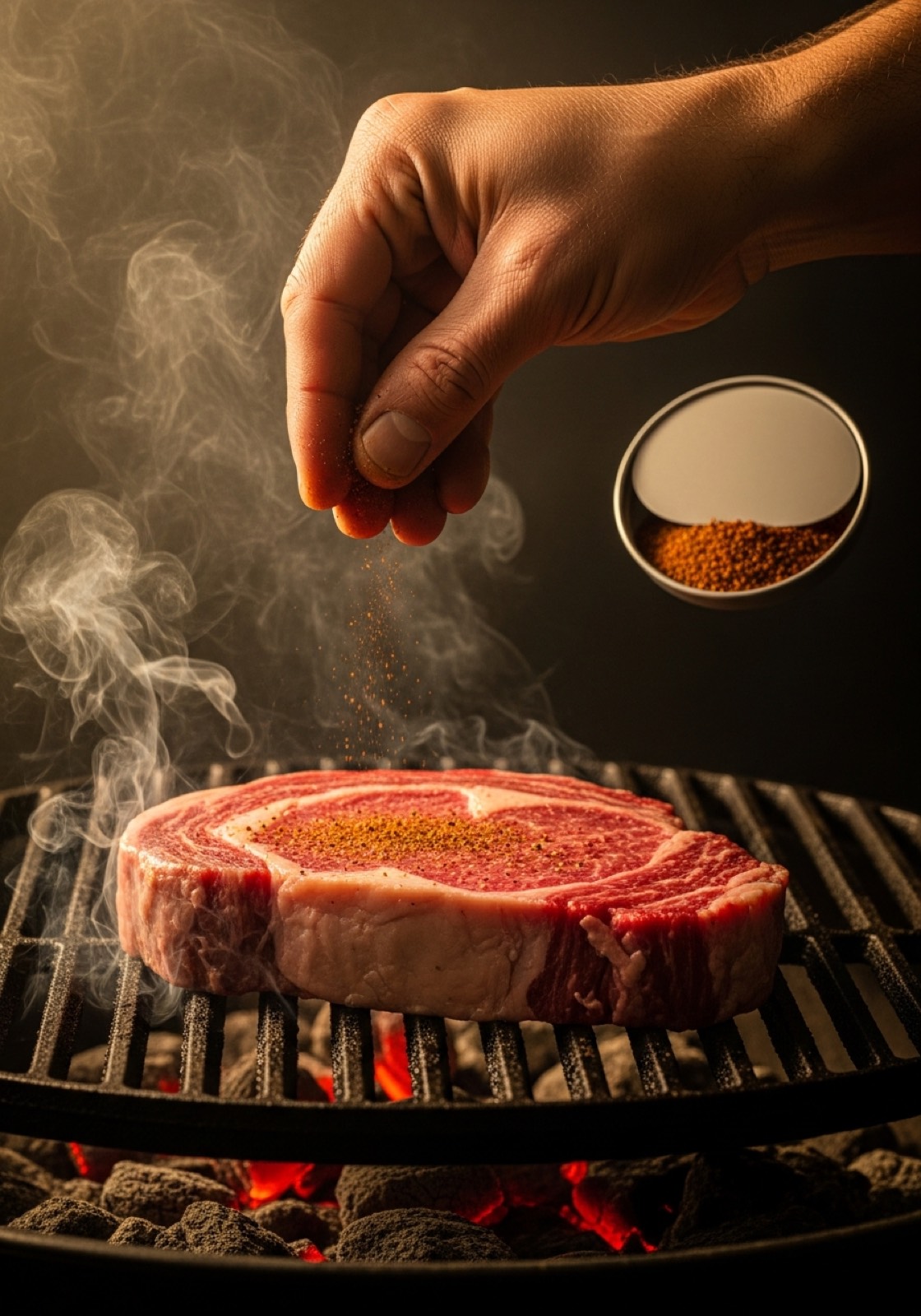
Every griller knows the moment. The coals are perfect, the steak hits the grate, and twenty minutes later it comes off looking great - and tasting like almost nothing. Not because the meat was bad. Because the part that builds flavor got skipped.
A bland, pale surface where a crust should be. Salt that sat on top instead of working its way in. Smoke that never had anything to grip. None of it shows up when you shop for a better cut. All of it shows up on the plate.
Most people blame the meat. They buy a thicker steak. They turn the heat higher. But the real fix is simpler - and a lot cheaper than another trip to the butcher.
It usually comes down to three things
The rub, the technique, and the result. Get the grind and the balance right, apply it the way that actually works, and the crust forms on its own. Get them wrong and you are fighting a flat, grey surface every single cook.
That is the gap a small, family-run spice workshop in Germany set out to close. No factory shortcuts, no mystery filler - just grill people blending the boring stuff until it actually does its job. They call it Ankerbusch.
See the Ankerbusch range →1. The rub - a grind built to grip and build a crust
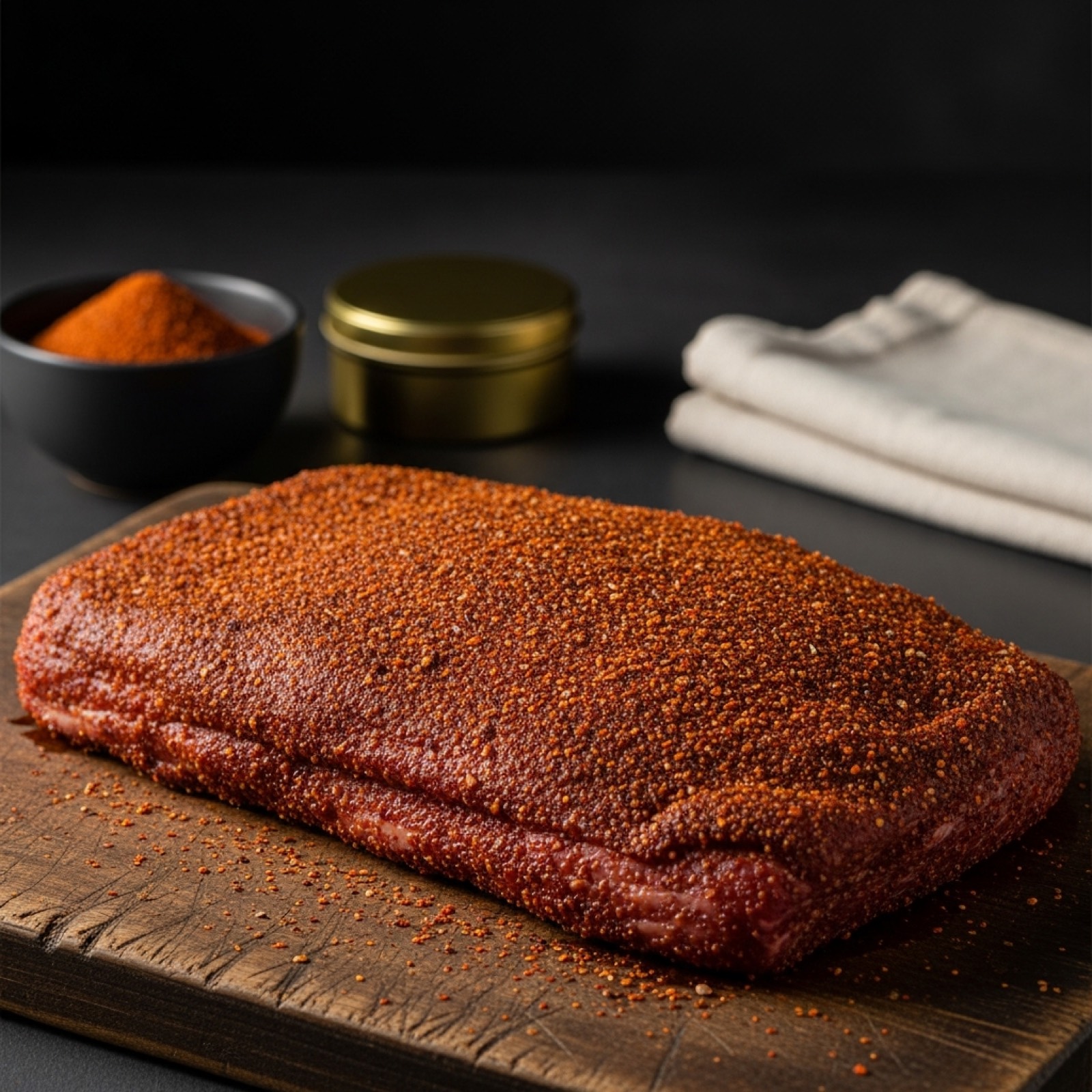
Supermarket rubs are dusty, uneven, and front-loaded with salt. Ankerbusch grinds coarse and fine together so the blend clings to the meat, draws moisture to the surface, and gives the heat something to caramelise into a real, dark crust.
2. The technique - how you apply it changes everything
A rub is only half the work. Pat the cut dry, press the blend in by hand, and let it rest before the meat ever touches the grate. That short wait is what turns loose seasoning into a bonded layer that stays put instead of falling into the coals.
3. The result - a low-and-slow crust and a clean smoke ring
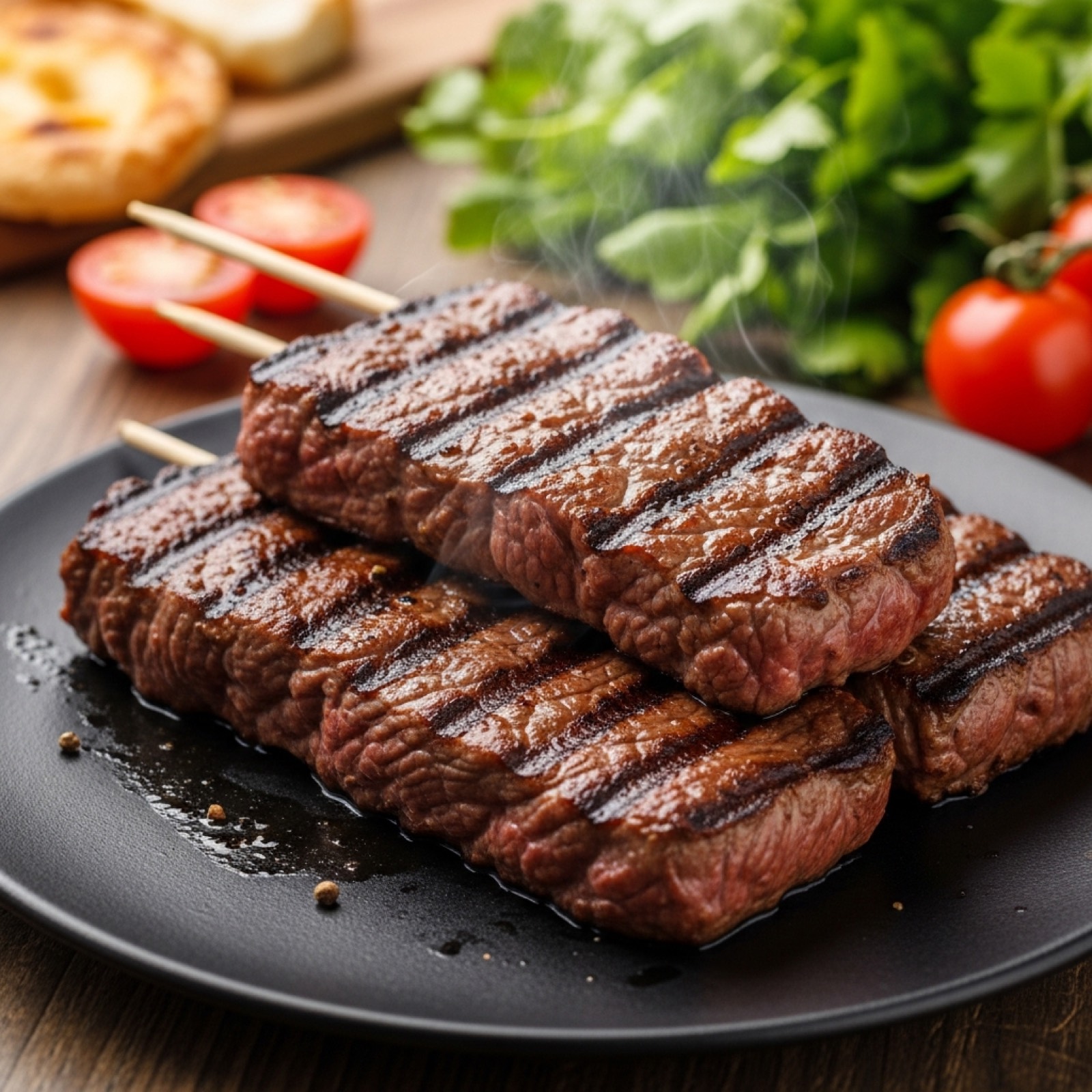
Done right, the surface sets into a deep, lacquered bark while the inside stays tender. That is the difference most home grillers chase for years without knowing the crust was never about the meat - it was about what went on it first.
Why the blend matters more than the gear
On its own, a pinch of spice feels like nothing. Bonded to a dry surface and set by heat, it is the difference between fighting a flat steak and forgetting you ever struggled. The right grind, applied the right way, working with the smoke - one quiet craft that just works, cook after cook.
Made by grill people, for grill people
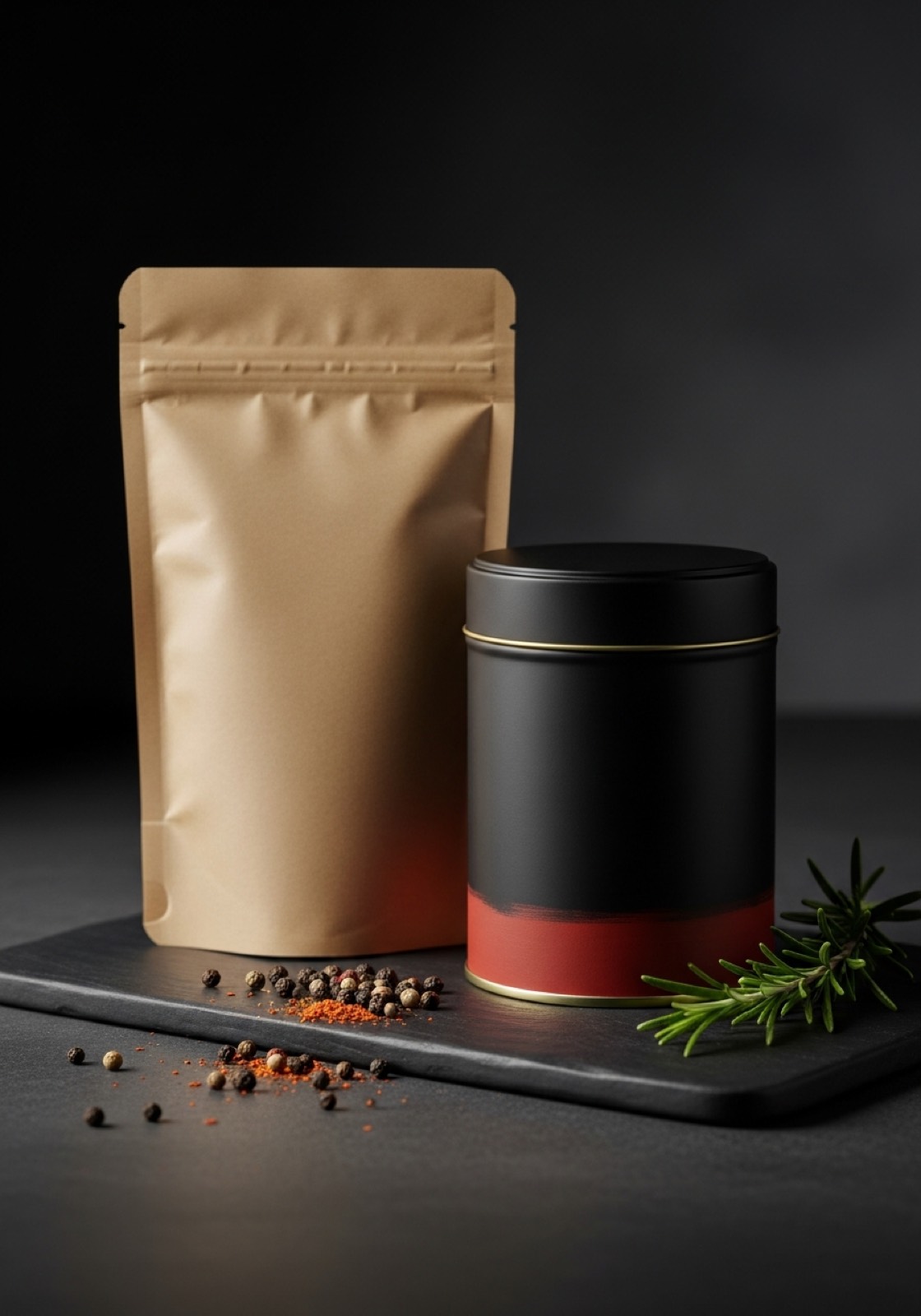
Ankerbusch is not a faceless label on a supermarket shelf. It is a small workshop run by people who cook over fire every weekend - which is exactly why the details nobody else bothers with are the ones they obsess over.
| The detail | Generic rub | Ankerbusch |
|---|---|---|
| Grind | Dusty & uneven | Coarse-fine, grips the cut |
| Balance | Mostly salt | Built for a crust |
| On the grill | Falls into the coals | Bonds and sets dark |
| Made by | Nobody who grills | A family that cooks over fire |
Backed by people who actually grill
Ankerbusch stands behind every tin and pouch. If the crust is not for you, they make it right.*
Quick questions, straight answers
Does the rub really change the flavour that much?
Yes. A balanced, well-ground blend bonds to the surface and builds a crust the meat cannot make on its own. Most people notice it the very first cook.
Do I need to apply it a certain way?
Pat the cut dry, press the rub in by hand, and let it rest before it hits the grate. That short wait is what turns loose seasoning into a bonded layer.
Is this for pitmasters or beginners?
Both. The fix is the same whether it is your first steak of the summer or your hundredth low-and-slow brisket.
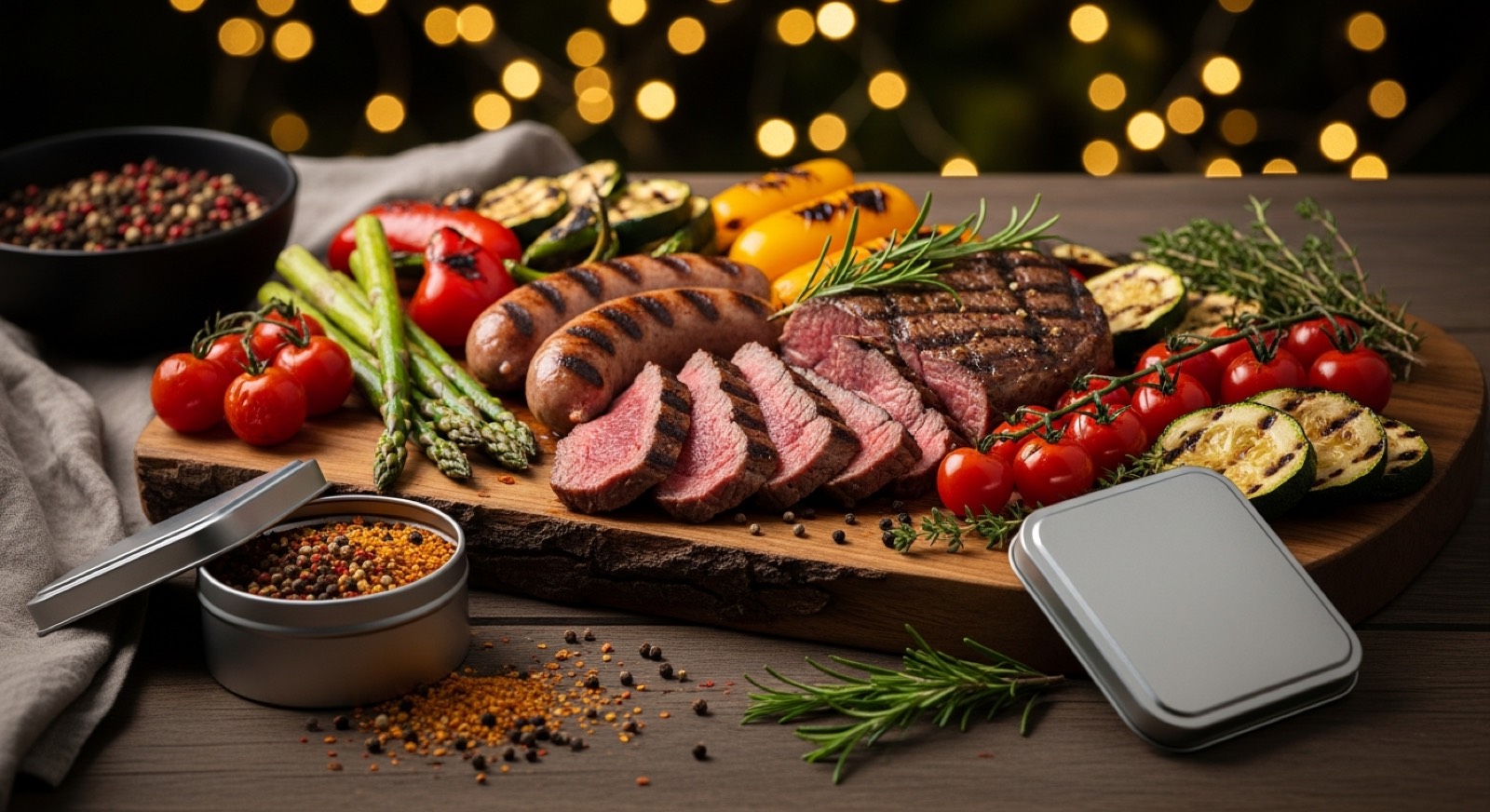
Stop blaming the meat.
The crust was never about a better cut or a bigger grill. Make the cheapest part of your cook the part that finally makes it taste like something.
Shop Ankerbusch →